Profiles: what the names mean
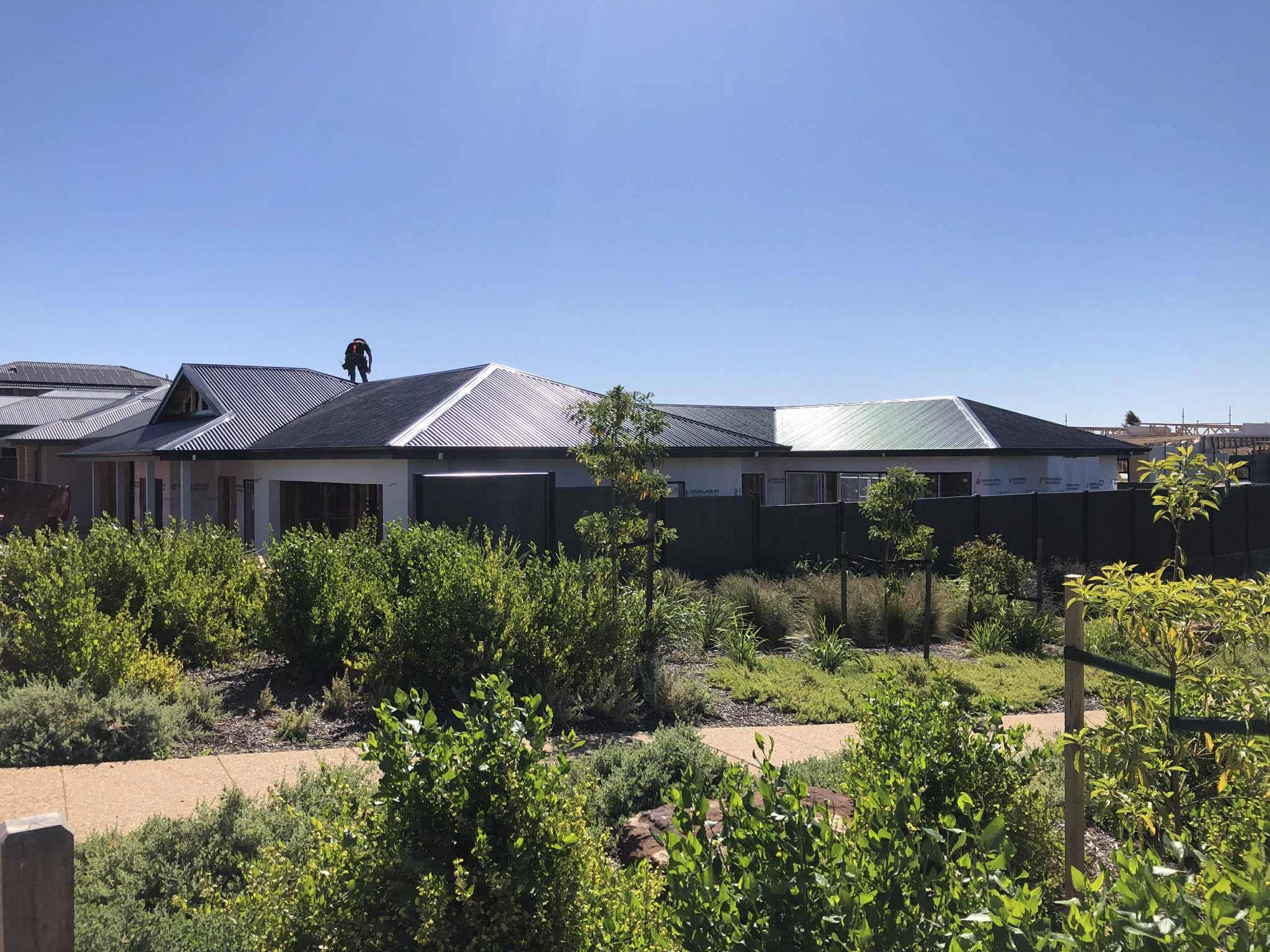
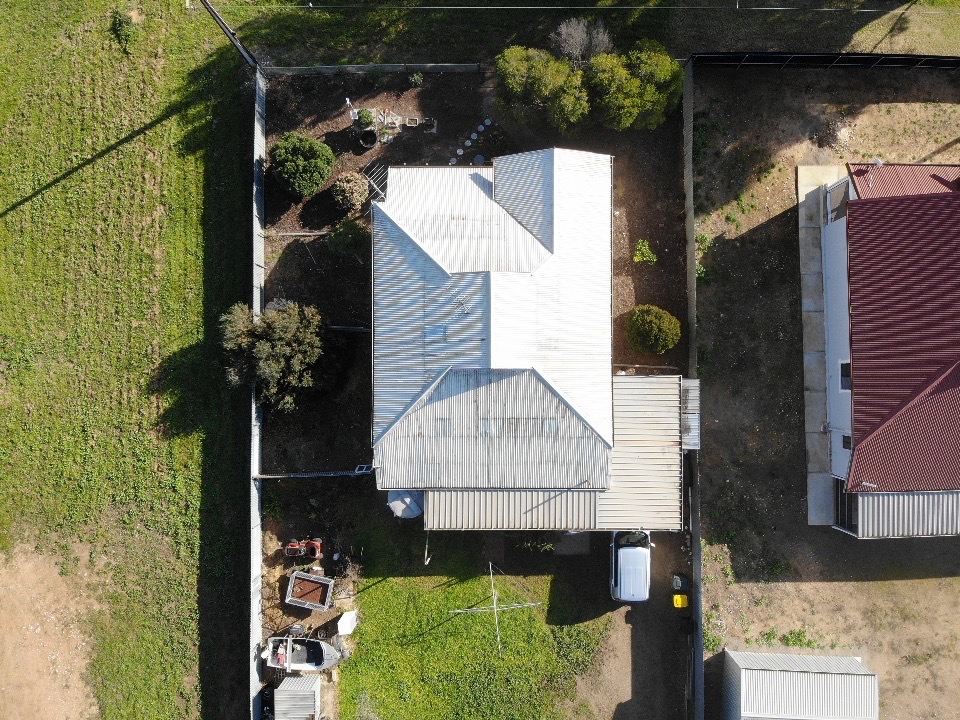
Corrugated is the classic wave profile — right for heritage cottages, verandahs and anything with a traditional look. Trimdek® is the square-ribbed profile you see on most modern homes; it spans well, sheds water fast and suits low pitches down to 5°. Kliplok® has concealed fixings (no screws through the sheet) and is used on very low pitches and architectural homes where a clean face matters. For sheds and rural buildings, Trimdek® or Spandek® are the usual choices.
Colour and heat
Every Colorbond® colour carries Thermatech® solar-reflective technology, but lighter colours still reflect more heat. Surfmist®, Shale Grey™, Evening Haze®, Dune® and Windspray® are the strong performers for a hot Murraylands summer. Dark colours like Monument®, Night Sky® and Basalt® look sharp and are very popular, but expect a warmer roof space — offset it with reflective sarking and good ceiling insulation, which we include as standard.
Under the National Construction Code, very dark roofs can also affect your home's energy rating on new builds and major renovations; we can advise on this at quote stage.
Matching the house
Cream brick and limestone homes across Murray Bridge, Strathalbyn and the Barossa suit warm neutrals — Dune®, Paperbark®, Jasper® — or a crisp contrast in Monument®. Red brick pairs well with Woodland Grey®, Ironstone® or Deep Ocean®. Rendered modern homes tend towards Monument®, Basalt® or Shale Grey™ with matching gutters and fascia. Bring us a photo of the house and we'll bring colour samples to the site visit — a chip in real light is worth more than any screen.
Coastal homes: specify Ultra
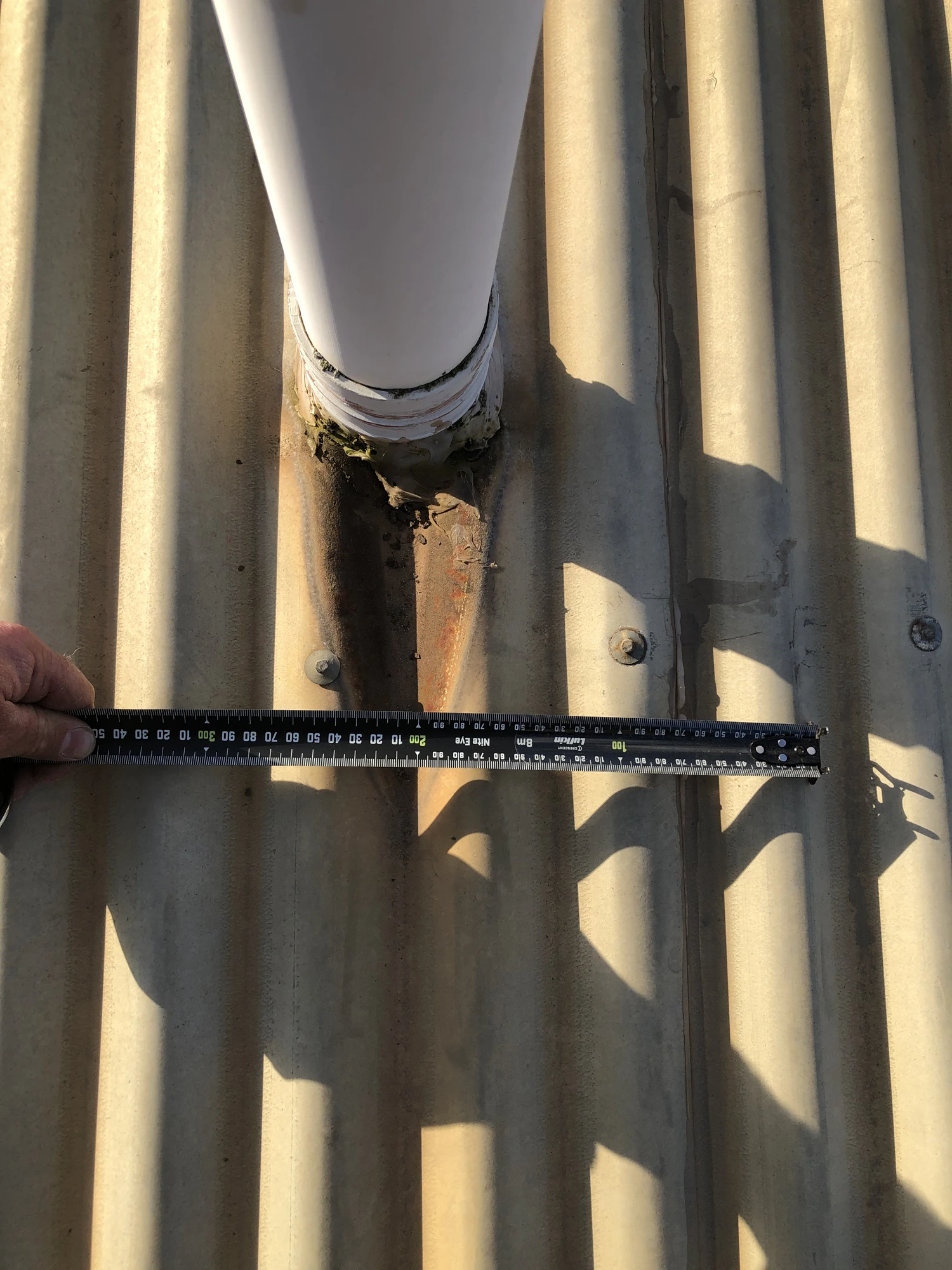
Within roughly 1 km of breaking surf — Victor Harbor, Port Elliot, Goolwa, Middleton — or on the shores of Lake Albert and the Coorong, standard Colorbond® will not reach its warranted life. Colorbond® Ultra steel has a heavier metallic coating designed for severe marine environments. Pair it with Class 4 or stainless fixings and insist on cut edges being sealed or turned down. It costs more per sheet; it costs far less than re-roofing twice.
Bushfire (BAL) zones in the Hills
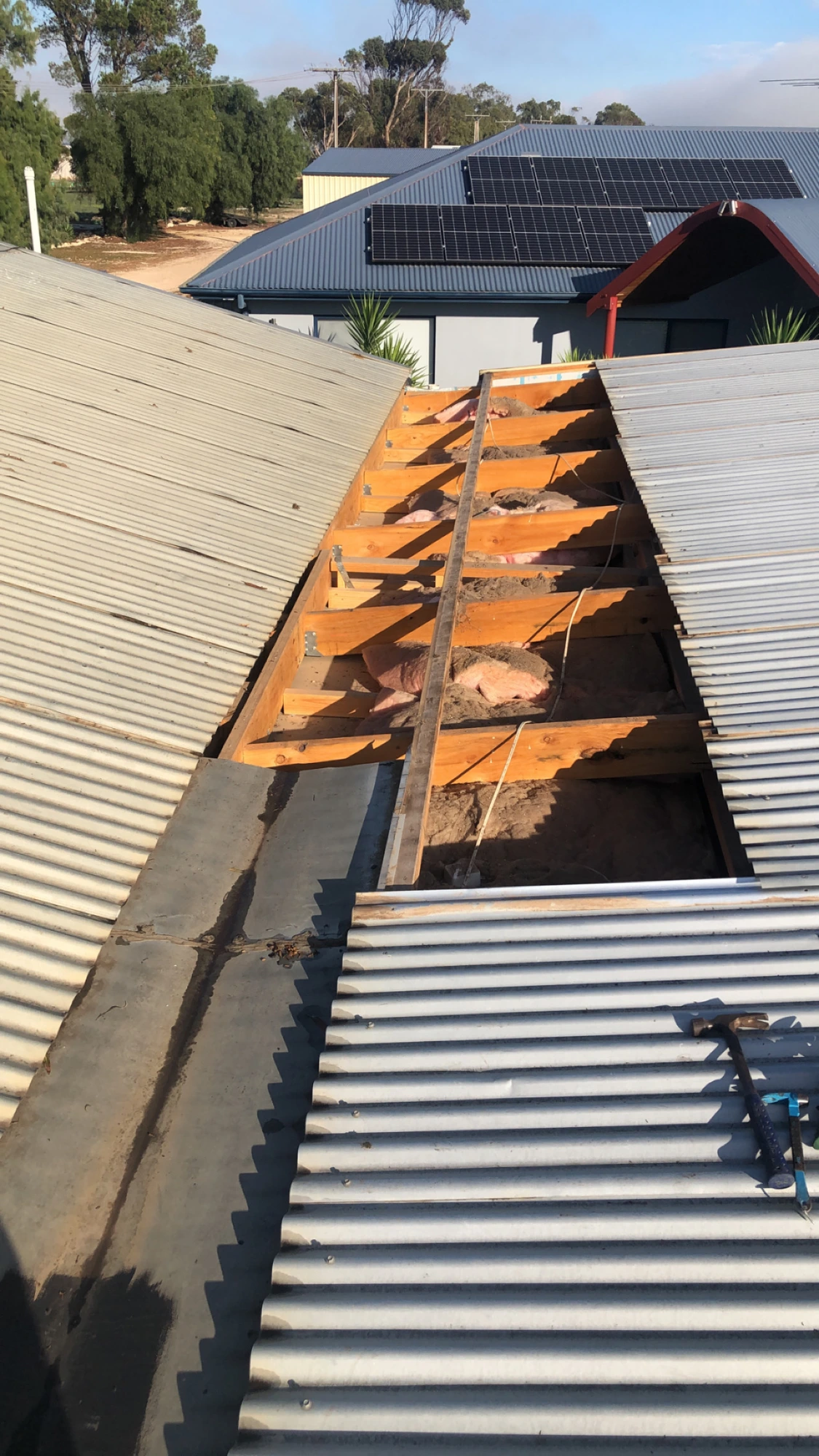
If your property in the Adelaide Hills or Fleurieu has a Bushfire Attack Level rating, the roof needs to be a sealed system: non-combustible sarking, ember guards on gutters and valleys, sealed ridges and penetrations, and no gaps at the eaves or under flashings. Colorbond® steel is non-combustible and suits every BAL level, including BAL-FZ with the right detailing. We build to the rating on your development approval.
Gutters, fascia and downpipes
Match or deliberately contrast — but decide. Most homes look best with roof, gutter and fascia in one colour, or the gutter and fascia in the wall colour so the roof reads as a single clean line. Quad gutter suits most homes; half-round and ogee suit heritage; box gutters are for hidden roof edges. Size the gutters for Hills rainfall, not the minimum the code allows.
What is the best Colorbond® colour for a hot climate?
Lighter colours such as Surfmist®, Shale Grey™, Evening Haze® and Dune® reflect the most heat. Darker colours work well with reflective sarking and good ceiling insulation.
Do I need Colorbond® Ultra near the coast?
Within about 1 km of breaking surf, or on salt lakes like Lake Albert, yes — standard Colorbond® will not reach its warranted life in severe marine environments.
Which Colorbond® profile is best for a low-pitch roof?
Trimdek® down to 5° pitch; Kliplok® for very low pitches (down to 1–2°) where concealed fixings are required.
Free inspection & written quote.
Or call 0421 568 663 and talk to Jack directly.